 Русский
 O'zbekcha

2030 Agenda: SDG 10 - Reduced Inequalities

Mission
The National Pedagogical University of Uzbekistan named after Nizami is committed to reducing inequality in education by ensuring equal access to learning, providing comprehensive social and academic support, and creating the conditions for every student, regardless of background or circumstance, to complete their studies successfully and enter society with dignity and opportunity.
Vision
To be a genuinely inclusive institution where social and economic barriers never stand between a student and quality education, and where equal opportunity extends beyond enrollment to encompass every stage of the academic journey, from admission to graduation and successful entry into professional life.
Priorities
Ensuring equal access to education
Supporting socially vulnerable students
Providing accessible housing
Reducing the financial burden of education
Strengthening academic support and mentorship
Ensuring equal conditions for successful completion
Areas of Activity
- Equal Access to Education and a Socially Inclusive Environment The university enrols 18,931 students across full-time, distance, and evening study formats, reaching a broad spectrum of society including students from regions across Uzbekistan and working youth. Of these, 530 students study on state grants, ensuring access regardless of financial circumstances.
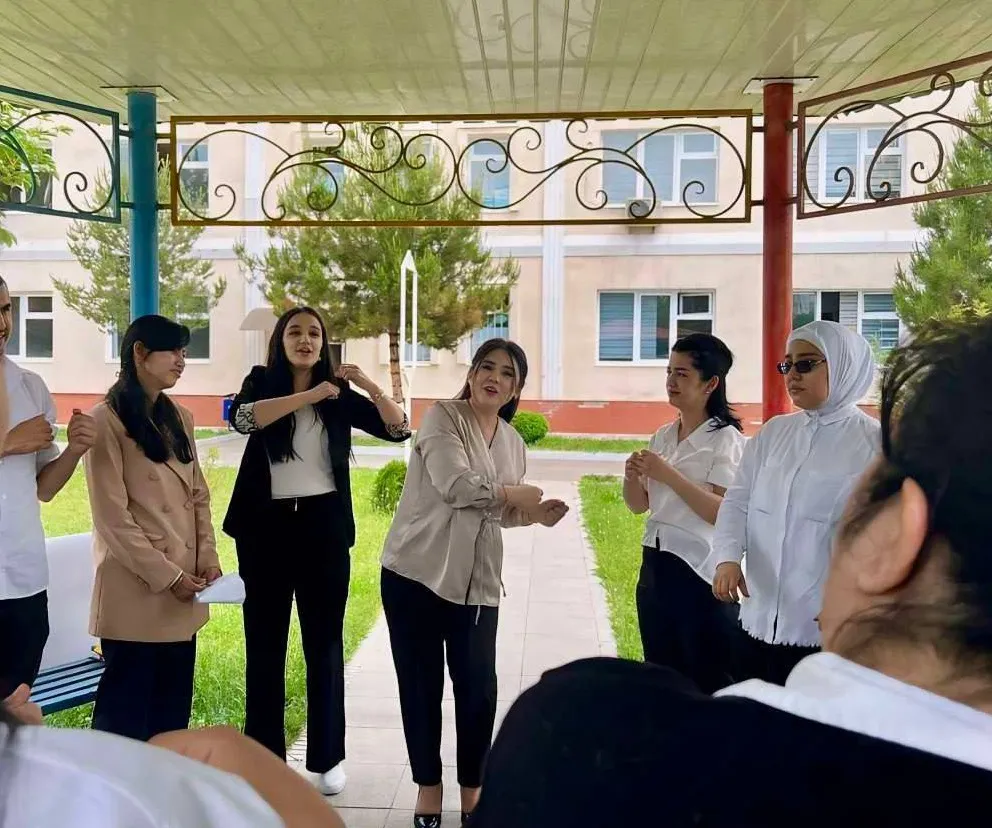
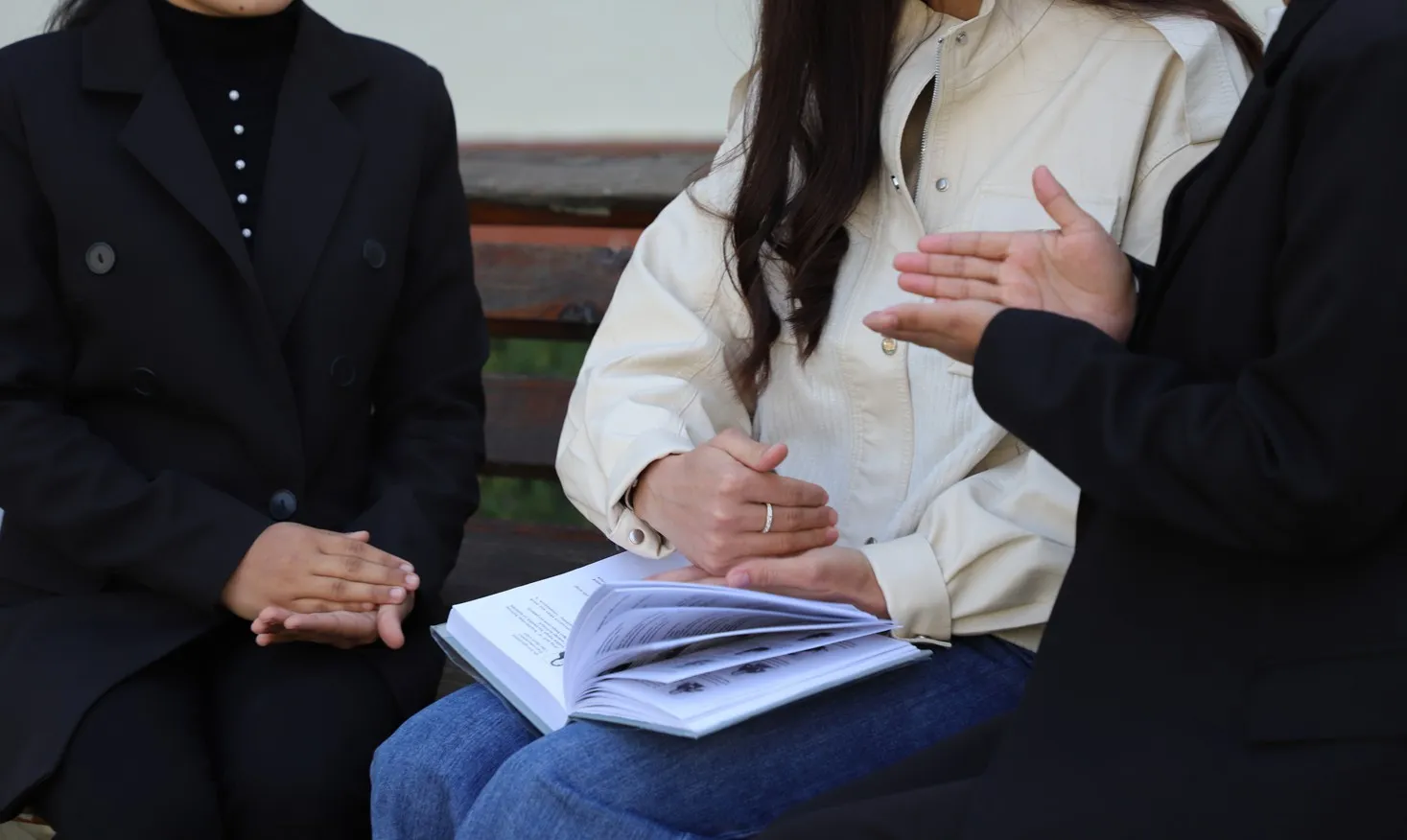
- The university enrols 189 students with disabilities, 176 with health-related limitations, and 189 from socially vulnerable categories, all provided with adapted learning conditions and continuous support. The Faculty of Special Pedagogy and Inclusive Education trains teachers to work with children with special educational needs, contributing to inclusion both within the university and across the national education system, in line with SDG 10.
- Social Support and Equalizing Conditions for Learning The university operates 6 dormitory buildings in Tashkent housing 3,202 students, all fully renovated in 2025 with restored restrooms, shower facilities, canteens, and heating systems, alongside replaced fire alarm systems in five buildings. Dormitory allocation follows a transparent, needs-based system: of 8,275 applications submitted in 2025, 7,719 were approved.
- The university reduces economic barriers to education through targeted financial support for socially vulnerable students, flexible full-time, distance, and evening study formats that allow students to combine education with employment, and 100% library coverage of required academic literature at 6 copies per student, eliminating textbook costs. Together, these measures ensure social and economic circumstances do not obstruct access to quality education, in line with SDG 10.
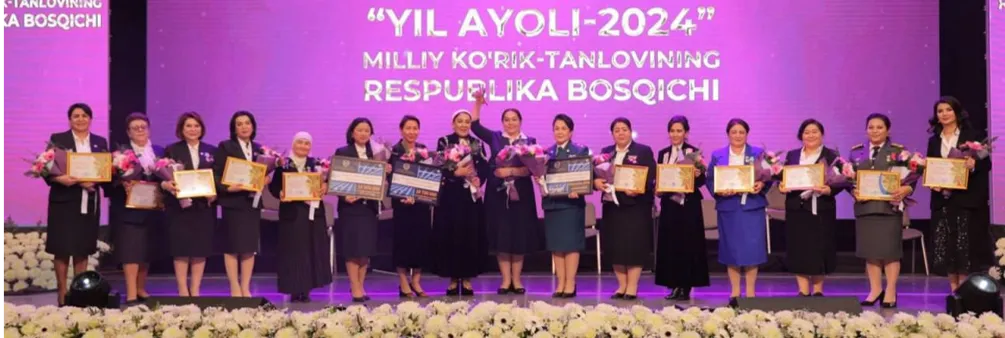
- Academic Sustainability and Reducing Inequality in Education The university's academic support system centers on 59 tutors who help students adapt to university life and address academic and psychological challenges, complemented by a senior-student mentoring model. This system was recognized nationally when tutor Allayeva Nargiza Uktamovna won second place in the Best Tutor category at the national Reformer review competition.
- Targeted support programs, including individual accompaniment and psychological assistance, are provided for students from socially vulnerable categories, alongside professional and creative clubs that help students build additional competencies and social networks. These efforts are reflected in strong completion outcomes: 91.8% of 2023/2024 graduates were employed, and in 2024/2025, more than 500 of the university's 5,492 graduating students signed employment contracts before receiving their diplomas, demonstrating equal conditions not only for enrollment but for successful completion, in line with SDG 10.
Key Achievements
- 18,931 students across full-time, distance, and evening formats, including working youth statewide.
- 530 students study on state grants, ensuring access regardless of financial circumstances.
- 189 disabled, 176 health-limited, and 189 vulnerable students given adapted support.
- 6 dormitories renovated in 2025 for 3,202 students; 7,719 of 8,275 applications approved.
- Fire alarm systems replaced in 5 dormitory buildings as part of the 2025 renovation.
- Faculty of Special Pedagogy and Inclusive Education trains teachers for children with special needs.
- 91.8% of 2023/2024 graduates employed; 500+ signed contracts before 2024/2025 graduation.
Impact