 Русский
 O'zbekcha

2030 Agenda: SDG 8 - Decent Work and Economic Growth

Mission
The National Pedagogical University of Uzbekistan named after Nizami is committed to fostering sustained, inclusive economic growth by preparing graduates for productive employment, cultivating entrepreneurial talent, and ensuring equal opportunity for professional advancement across all levels of academic and administrative leadership.
Vision
To be a leading institution where education, career development, and innovation converge to build a skilled, adaptable workforce - empowering students and graduates to become active contributors to decent work, sustainable economic participation, and inclusive growth in Uzbekistan and beyond.
Priorities
Strengthening Graduate Employability
Expanding Career Support Services
Advancing Student Entrepreneurship
Promoting Innovation-Driven Youth Programs
Ensuring Equal Opportunity in Leadership
Building Work-Based Learning Pathways

Areas of Activity
- Graduate Employment and Career Support The university maintains a strong link between education and labor market demand. In the 2024-2025 academic year, of 6,179 total graduates, 5,741 (93%) successfully completed their studies. Employment monitoring shows 4,038 graduates (70.3%) are employed in formal positions, while 1,296 (22.5%) are actively seeking employment.
- Digital tracking platforms allow the university to monitor graduate career trajectories and adapt academic programmes to labor market needs - supporting sustainable employment, professional mobility, and economic growth in line with SDG 8.
- The university's Career Center supports graduate employment through job vacancy monitoring, employer meetings, and job fairs with public and private sector organizations. Over 300 job vacancies were presented, leading to more than 200 graduates employed and over 50 senior students signing employment contracts under a dual education, work-based learning framework.
- The Center also runs regular training on CV writing, interview preparation, and digital employment platforms, strengthening students' readiness to enter the labor market - supporting decent work and full, productive employment in line with SDG 8.
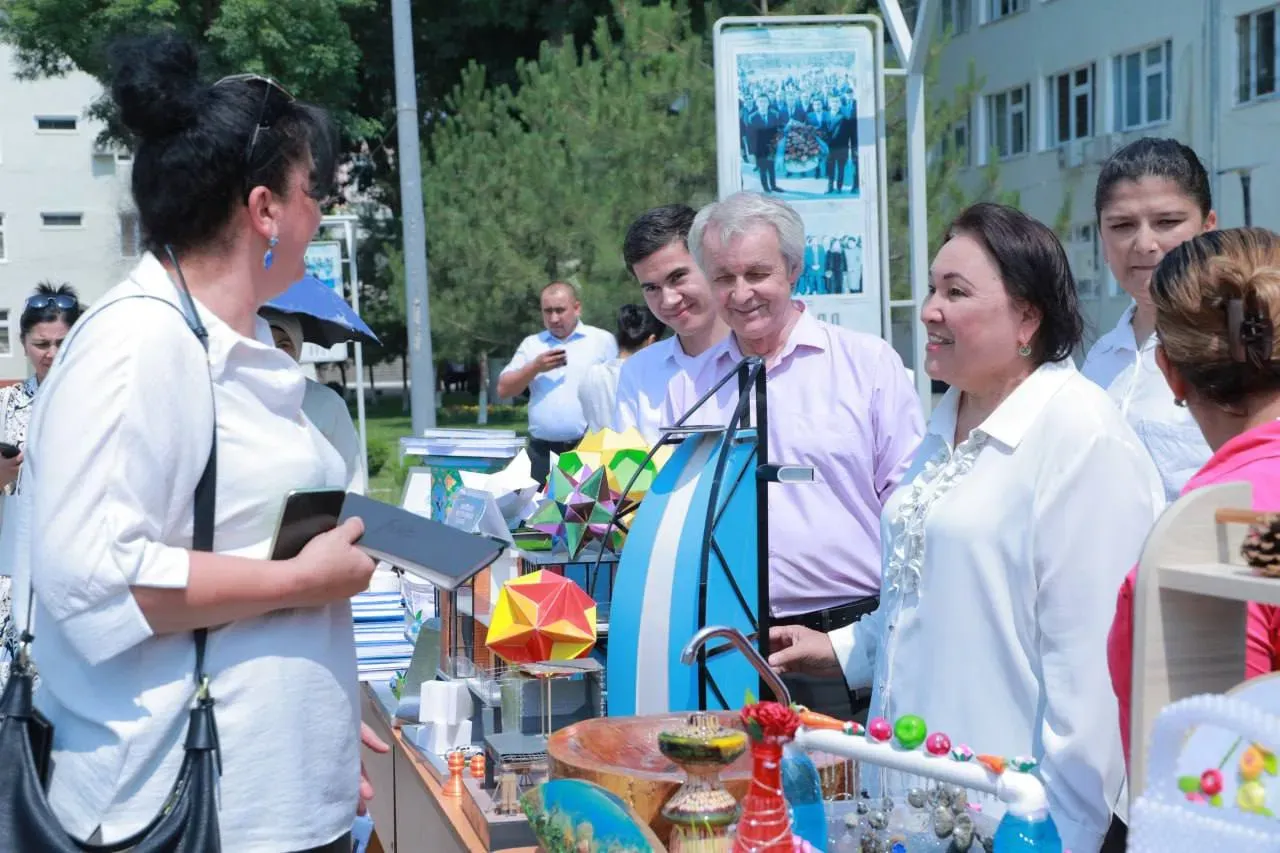
- Entrepreneurship and Innovation The university continues to strengthen its support for student entrepreneurship as a pathway to economic opportunity. Following consultations between University Rector Hilola Umarova and representatives of the Youth Union, the university approved a set of new initiatives designed to translate students' innovative ideas into practical ventures, including the "Top-100 Start-up Young Educators" program.
- These measures reflect the university's broader commitment to Sustainable Development Goal 8, which calls for promoting sustained, inclusive economic growth and productive employment through entrepreneurship and innovation, particularly among young people. By providing structured support for student-led start-ups, the university is helping build the entrepreneurial skills and economic opportunities that young graduates will need to enter the labor market successfully.
- The university fosters student entrepreneurship through cooperation with the "Kelajakka qadam" center, providing advisory, organizational, and financial support for student business projects. As of 2025, more than 20 student business projects have received financial support, with additional projects under review.
- The university also runs training in financial literacy, entrepreneurial thinking, and project management, building a modern ecosystem that promotes employment, entrepreneurship, and economic participation in alignment with SDG 8.
Key achievements
- 5,741 of 6,179 total graduates (93%) successfully completed their studies in 2024-2025.
- 4,038 graduates (70.3%) employed in formal positions through digital employment tracking and monitoring.
- Over 300 job vacancies presented through the Career Center, leading to more than 200 graduates employed.
- 50+ senior students signed employment contracts under the dual education, work-based learning framework.
- Regular training provided on CV writing, interview preparation, and digital employment platforms.
- 20+ student business projects received financial support through the "Kelajakka qadam" partnership.
- Launch of the "Top-100 Start-up Young Educators" programme, approved following consultations with the Youth Union.
- Ongoing training in financial literacy, entrepreneurial thinking, and project management for students.

Impact