
 Русский
 O'zbekcha

2030 Agenda: SDG 7 - Affordable and Clean Energy

Mission
The University strives to reduce its environmental footprint by adopting energy-efficient technologies and renewable energy solutions, while preparing educators to promote sustainable energy awareness among students.
Vision
To become a leading pedagogical institution increasingly powered by clean energy, serving as a living example of sustainable energy practices for students, staff, and the wider community.
Priorities
Reducing electricity and gas consumption - improving energy efficiency through systematic management of energy resources
Redirecting energy savings - using savings from reduced energy costs to support other university priorities
Modernising infrastructure and equipment - upgrading outdated systems and equipment with energy-efficient solutions
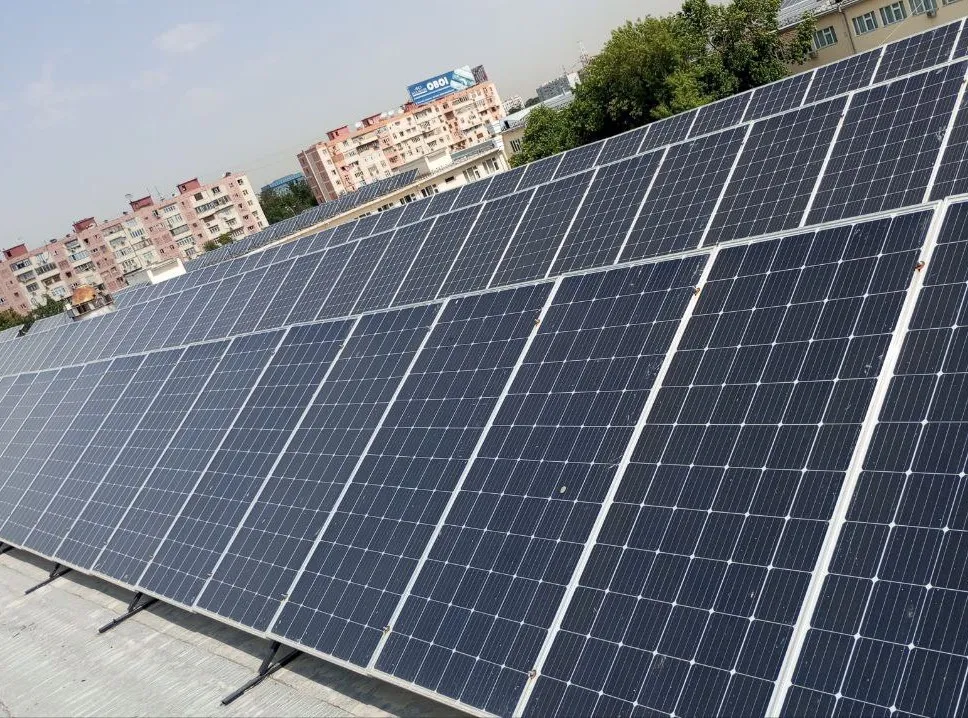
Expanding renewable energy use - introducing solar panels and other clean energy technologies across the campus
Improving daily energy efficiency - modernising engineering systems and lighting to optimise energy consumption
Strengthening monitoring and continuous improvement - regularly monitoring energy use and addressing inefficiencies in a timely manner
Areas of Activity
- Energy Efficiency and Systemic Resource Management NPUU implements a systematic approach to energy management, aimed at improving efficiency and reducing resource consumption across campus.
- As a result, the university now uses about 8% less electricity and about 27% less natural gas than before (electricity: 2,001,241 → 1,844,590 kWh; natural gas: 527,094 → 385,976 m³). These savings also translated into a direct financial benefit: the university saved 852,546,780 UZS - money that can now be redirected toward other university priorities.
- These results were achieved through infrastructure modernization, equipment replacement, energy-efficient technologies, and continuous monitoring within a structured energy management framework.
- Clean Energy and Sustainable Energy Infrastructure Development The university promotes the transition to clean energy by integrating modern technologies into its campus infrastructure, including the installation of solar panels to reduce dependence on traditional energy sources.
- Additional measures include modernizing internal engineering systems, implementing energy-efficient lighting, and optimizing resource consumption across all campus buildings. Systematic monitoring enables prompt identification of inefficiencies and continuous improvement of the energy system.
- Through these efforts, NPUU is developing a sustainable energy model aimed at reducing its carbon footprint, in alignment with SDG 7.
Key achievements
- Reduced electricity consumption by 8% through systematic energy management and improved campus-wide efficiency.
- Reduced natural gas consumption by 27%, contributing to more responsible and sustainable resource use.
- Achieved 852,546,780 UZS in energy cost savings, enabling the University to redirect resources toward other institutional priorities.
- Modernised campus infrastructure and replaced outdated, inefficient equipment to improve long-term energy performance.
- Integrated energy-efficient technologies and lighting systems across university buildings to reduce daily energy consumption.
- Expanded the use of renewable energy solutions, including solar panels, to reduce dependence on traditional energy sources
- Strengthened continuous monitoring of energy consumption to identify inefficiencies and support ongoing improvements in line with SDG 7.
- Developed a more sustainable campus energy model that promotes affordable, reliable, sustainable, and modern energy for the university community.

Impact